
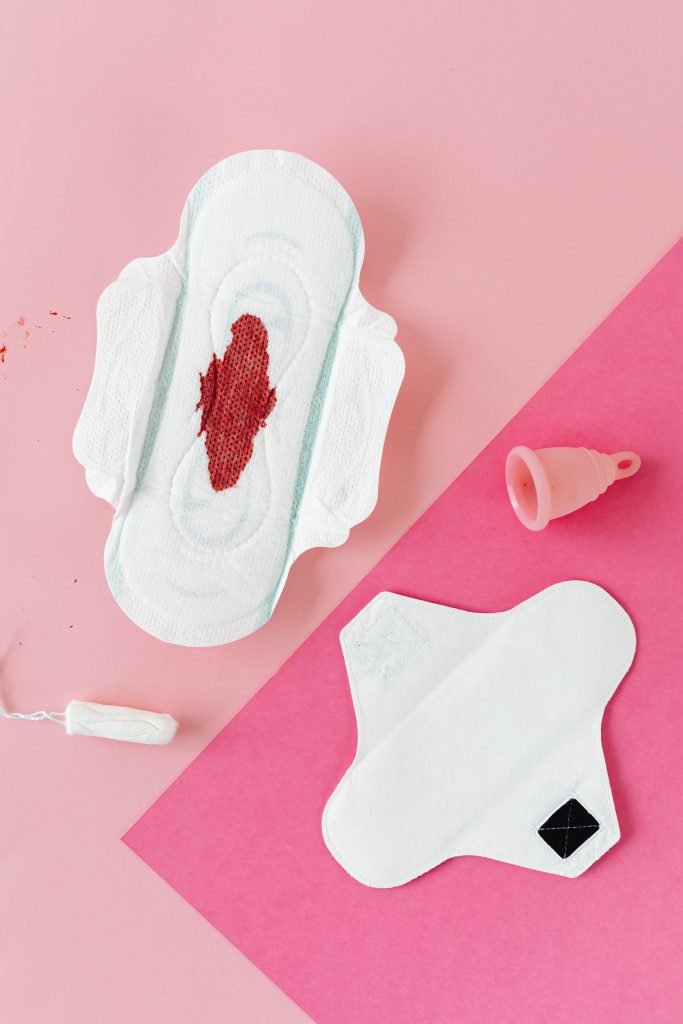
Menstrual hygiene refers to the practices that help people manage their periods safely, comfortably and with dignity. Good menstrual hygiene is important for health, wellbeing, confidence and participation in everyday life, including attending school, work and social activities.
Managing menstruation safely involves having access to appropriate menstrual products, clean water, soap, private sanitation facilities and accurate information. Everyone deserves the opportunity to manage their period without fear, shame or discrimination.
Choosing a Menstrual Product
There is no single menstrual product that is best for everyone. The right choice depends on personal preference, comfort, availability, affordability and access to facilities for changing or cleaning products.
Common menstrual products include:
•   Disposable sanitary pads
•   Reusable menstrual pads
•   Tampons
•   Menstrual cups
•   Period underwear
Whichever product you choose, it should be used according to the manufacturer’s instructions and changed or cleaned regularly.
Changing Menstrual Products
Menstrual products should be changed often enough to remain clean and comfortable. The frequency depends on the type of product used, the amount of menstrual flow and the manufacturer’s guidance.
As a general guide:
•   Disposable and reusable pads should be changed whenever they become wet or uncomfortable.
•   Tampons should not be worn for longer than the recommended duration stated by the manufacturer.
•   Menstrual cups should be emptied, cleaned and reinserted according to the manufacturer’s instructions.
Using a product for too long may increase discomfort, unpleasant odour or the risk of infection.
Hand Hygiene
Always wash your hands with soap and clean water:
•   Before changing a menstrual product.
•   After changing a menstrual product.
•   Before washing reusable menstrual products.
Good hand hygiene helps prevent the spread of germs and reduces the risk of infection.
Washing the Genital Area
The vulva should be washed daily with clean water. Mild, unscented soap may be used if preferred.
Avoid:
•   Douching (washing inside the vagina)
•   Using scented soaps, sprays or powders on the genital area
•   Using harsh chemicals or antiseptics unless advised by a healthcare professional
The vagina is self-cleaning and does not require internal washing. Douching may disrupt the natural balance of healthy bacteria and increase the risk of infection.
Managing Reusable Menstrual Products
Reusable menstrual products can be used safely for several years when cared for properly.
After use:
•   Rinse the product with cold water as soon as possible.
•   Wash thoroughly with soap and clean water.
•   Dry completely before storing.
•   Store in a clean, dry and breathable bag or container.
Reusable products should never be stored while damp, as moisture encourages the growth of mould and bacteria.
Detailed guidance on caring for reusable menstrual pads is available in the Caring for Reusable Menstrual Pads article.
Disposal of Disposable Menstrual Products
Used disposable pads, tampons and similar products should be wrapped before being placed in a waste bin.
Do not:
•   Flush menstrual products down the toilet.
•   Throw used products into rivers, lakes or open spaces.
Improper disposal can block sanitation systems and contribute to environmental pollution.
Menstrual Hygiene at School and Work
People should be able to manage their periods comfortably wherever they are.
Helpful facilities include:
•   Private toilets with doors that lock.
•   Access to clean water and soap.
•   Waste bins for disposal of used products.
•   A clean place to change menstrual products.
•   Access to emergency menstrual supplies when needed.
Supportive environments help reduce absenteeism and promote dignity during menstruation.
Common Menstrual Hygiene Mistakes
Some practices may increase discomfort or the risk of infection.
Avoid:
•   Wearing the same menstrual product for too long.
•   Reusing disposable menstrual products.
•   Storing reusable products while damp.
•   Sharing menstrual products with others.
•   Washing the inside of the vagina.
•   Using dirty cloths or materials that have not been properly cleaned and dried.
Menstruation and Daily Activities
Menstruation should not prevent people from participating in everyday life.
Most people can continue to:
•   Attend school or work.
•   Exercise and play sports.
•   Travel.
•   Socialise.
•   Participate in religious or cultural activities where appropriate.
Managing menstruation safely and confidently helps people remain active throughout their menstrual cycle.
When to Seek Medical Advice
Consult a healthcare provider if you experience:
•   Persistent itching, burning or irritation of the genital area.
•   Unusual vaginal discharge with a strong or unpleasant odour.
•   Fever associated with tampon use.
•   Severe pain during menstruation.
•   Heavy bleeding that interferes with daily activities.
•   Concerns about recurrent infections or menstrual health.
These symptoms may indicate a condition that requires medical assessment.
Key Messages
•   Good menstrual hygiene supports health, comfort and dignity.
•   Choose menstrual products that meet your individual needs and circumstances.
•   Wash your hands before and after changing menstrual products.
•   Wash the vulva with clean water and avoid douching or using scented products internally.
•   Change or clean menstrual products regularly.
•   Dispose of used products responsibly and care for reusable products according to recommended guidance.
•   Menstruation should not stop anyone from participating fully in education, work or everyday life.