
Menopause and Perimenopause
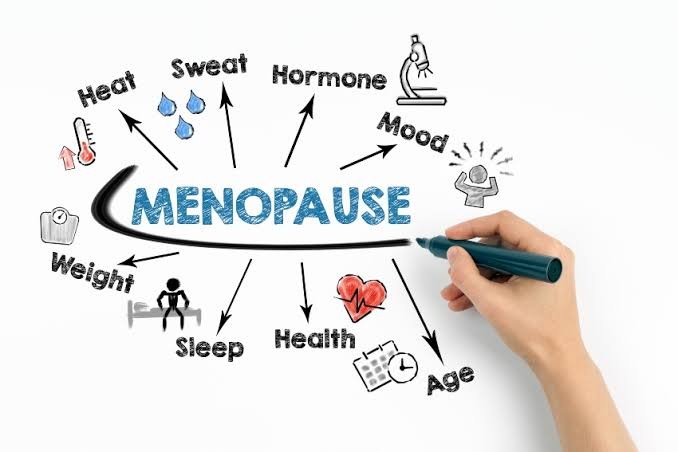
Menopause is a natural stage of life that marks the end of a person’s reproductive years. It occurs when the ovaries gradually stop releasing eggs and produce lower levels of the hormones oestrogen and progesterone. As a result, menstrual periods stop permanently. Before menopause, many people experience perimenopause, a transitional stage during which hormone levels […]
Period Poverty: Understanding the Challenge and Safe Menstrual Management
Period poverty is more than a lack of menstrual products. It refers to the barriers that prevent people from managing their periods safely, hygienically and with dignity. These barriers may include the inability to afford menstrual products, limited access to clean water and sanitation facilities, inadequate menstrual health education and the stigma surrounding menstruation. Period […]
Nutrition and Menstrual Health
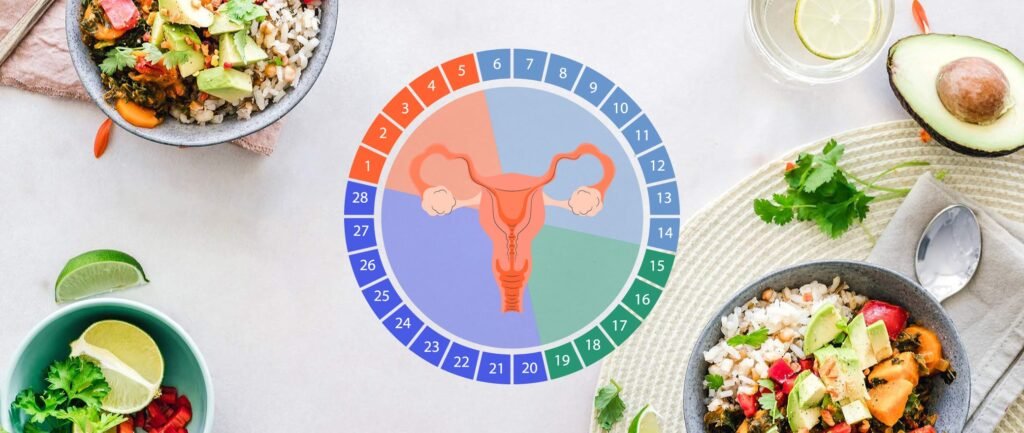
Introduction Good nutrition plays an important role in menstrual health and overall wellbeing. The foods and drinks you consume can affect your energy levels, support healthy blood production, help maintain strong bones and contribute to your general health throughout the menstrual cycle. People who experience heavy menstrual bleeding are at greater risk of losing significant […]
Ovulation: What It Is and Why It Matters
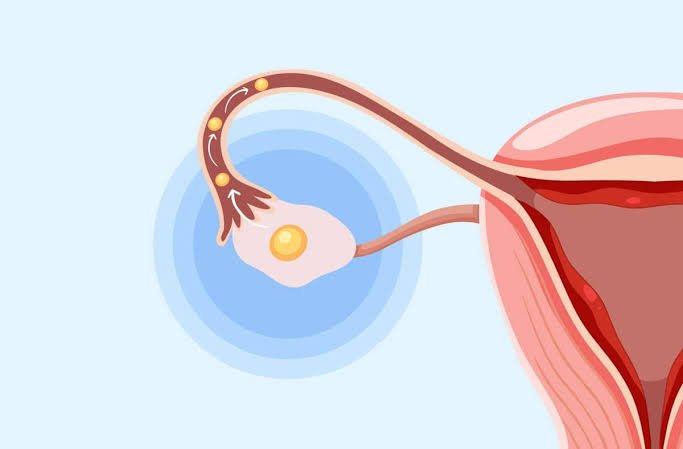
Ovulation is a normal part of the menstrual cycle and plays an important role in reproductive health. It is the process during which one of the ovaries releases an egg, making pregnancy possible if sperm fertilises the egg. Many people think menstruation is the most important part of the menstrual cycle, but ovulation is actually […]
Understanding Toxic Shock Syndrome (TSS)
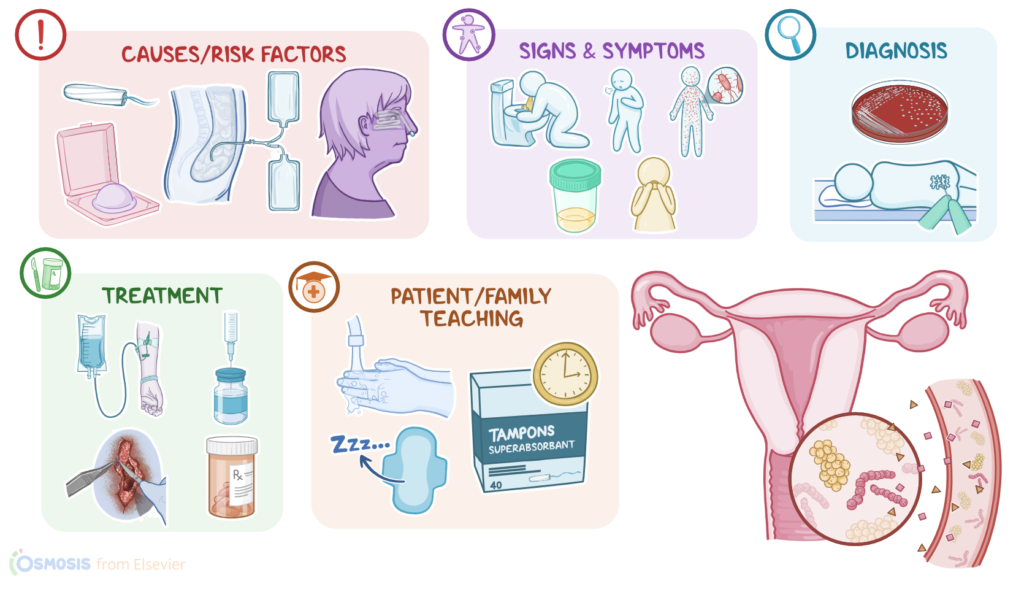
Toxic Shock Syndrome (TSS) is a rare but serious medical condition caused by toxins produced by certain types of bacteria. Although TSS has been linked to tampon use, it can affect anyone, including men, women and children, and can occur for reasons unrelated to menstruation. When associated with menstruation, TSS is most commonly linked to […]
Amenorrhoea (Absent Periods)
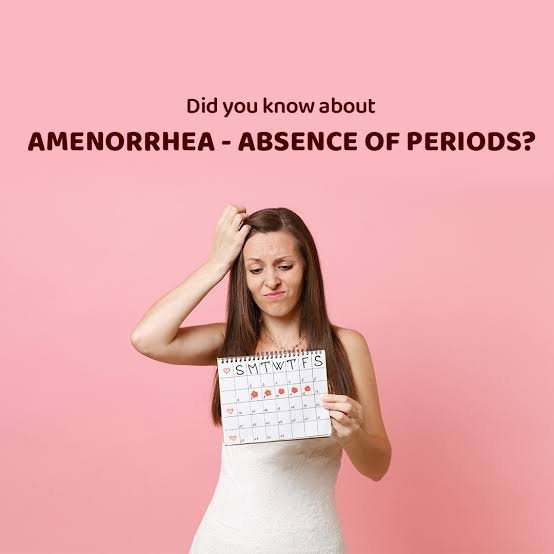
Missing a period can be worrying, but it does not always mean something is wrong. While pregnancy is one of the most common reasons for a missed period, there are many other possible causes, including stress, significant weight changes, intense physical activity, certain medical conditions and hormonal changes. Amenorrhoea is the medical term for the […]
Managing Your Period at School, Work and Daily Life

Menstruation is a normal part of life and should not prevent anyone from attending school, going to work, participating in sports or carrying out everyday activities. However, managing a period can sometimes be challenging, especially when access to menstrual products, clean toilets, water or privacy is limited.Planning ahead, understanding your menstrual cycle, practising good menstrual […]
Choosing the Right Menstrual Product
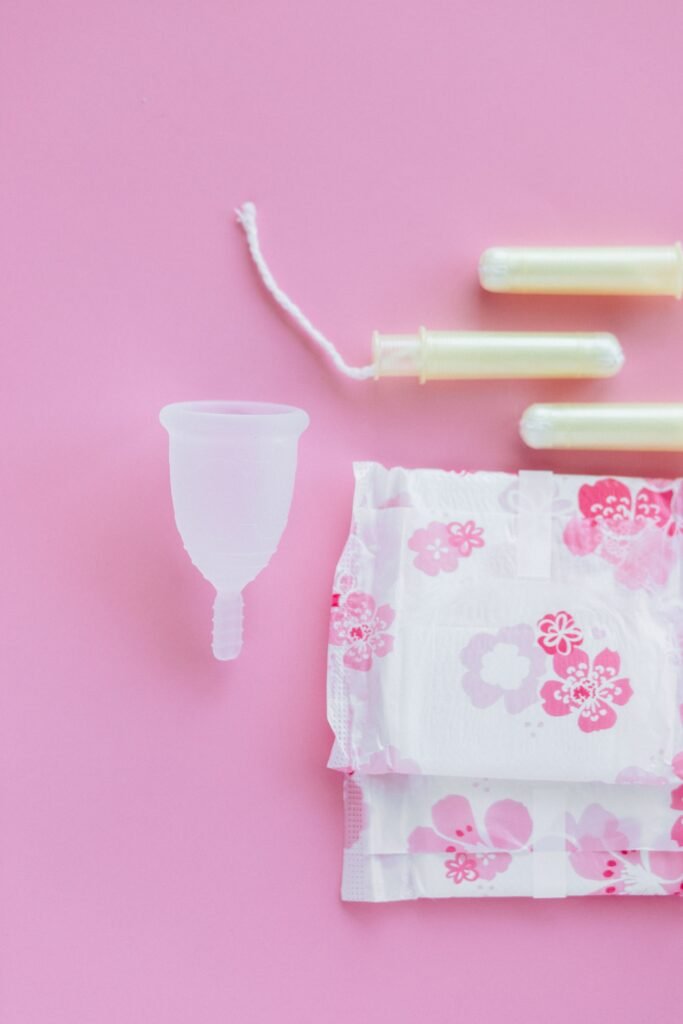
There is no single menstrual product that is right for everyone. The best choice depends on a person’s age, menstrual flow, lifestyle, comfort, access to clean water and sanitation, cost, cultural preferences and personal needs. Today, there are many safe and effective menstrual products available, including disposable pads, reusable pads, tampons, menstrual cups, menstrual discs […]
Uterine Fibroids
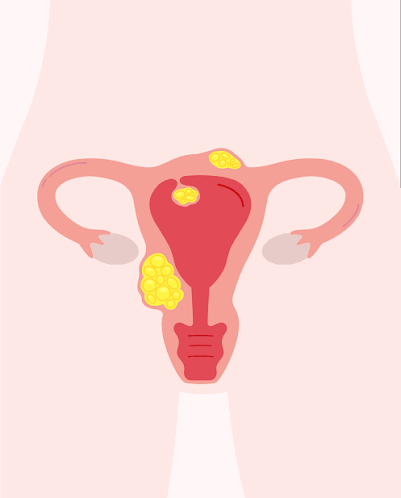
Uterine fibroids are one of the most common non-cancerous growths affecting women during their reproductive years. Although many people with fibroids experience no symptoms, others may have heavy menstrual bleeding, pelvic pain, pressure on nearby organs and fertility challenges. Fibroids are a leading cause of heavy menstrual bleeding and are one of the most common […]
Polyendocrine Metabolic Ovarian Syndrome (PMOS)
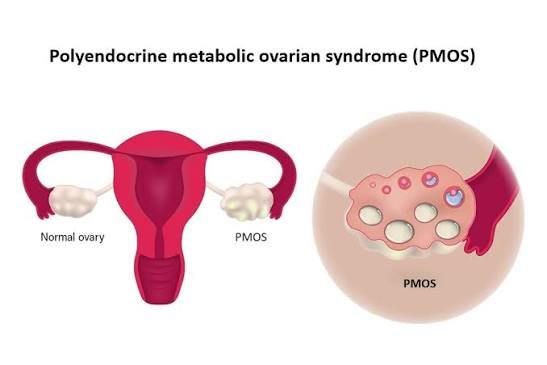
Formerly known as Polycystic Ovary Syndrome (PCOS) Polyendocrine Metabolic Ovarian Syndrome (PMOS) is one of the most common hormonal conditions affecting women and girls of reproductive age. It is a complex condition that can affect menstruation, fertility, hormones, metabolism, skin health and emotional wellbeing. In 2026, an international consensus recommended changing the name from Polycystic […]